The release of the Tesla Powerwall 3 in August 2024 has generated significant buzz about how strong its capacity is, particularly among those considering solar energy or in need of a new battery. The anticipation surrounding this product is palpable, but the question remains: will it truly live up to the hype, or will it ultimately prove to be just another overhyped and underwhelming product?
To answer this question, we need to delve deeper into the Powerwall 3’s features, capabilities, and potential drawbacks. We examine its technological advancements, cost-effectiveness, and overall value proposition. Additionally, it's crucial to compare it to its predecessors and competitors in the market. For a broader understanding of how battery systems, costs, and sizing all fit together, explore our home battery storage guide.
By thoroughly analyzing these aspects, we can gain a clearer understanding of whether the Tesla Powerwall 3 is a genuine game-changer in the renewable energy space or simply another product that fails to deliver on its promises.
Okay, so the new Tesla Powerwall 3? It's got a beefier 13.5 kWh capacity and plays nice with solar setups. Keep in mind, though, how long it runs really depends on how much juice your home guzzles. Things like AC, fridges, and TVs all factor into that. Let’s unpack the details so you get to decide.
Key Takeaways
- Capacity & Reality: Tesla Powerwall 3’s 13.5 kWh powers essentials 20+ hrs… but heavy use (e.g., AC) drains it in ~4 hrs.
- Solar is Non-Negotiable: Pair with panels for indefinite backup—sunlight refuels the battery, unlike generators.
- Custom > Generic: IntegrateSun’s free energy audit tailors your system; generic estimates fail real-world needs.
- ROI in 7–10 Years: Post-incentive costs drop to ~$8,050. Outage savings + peak-rate shaving fast-track payback.
- Smart Load Management: IntegrateSun extends runtime 20-30% by auto-prioritizing essentials during outages.
- Future-Proof Design: Pre-build capacity for EVs/heat pumps—no costly upgrades later.
How Long Your Home Can Run on Powerwall 3
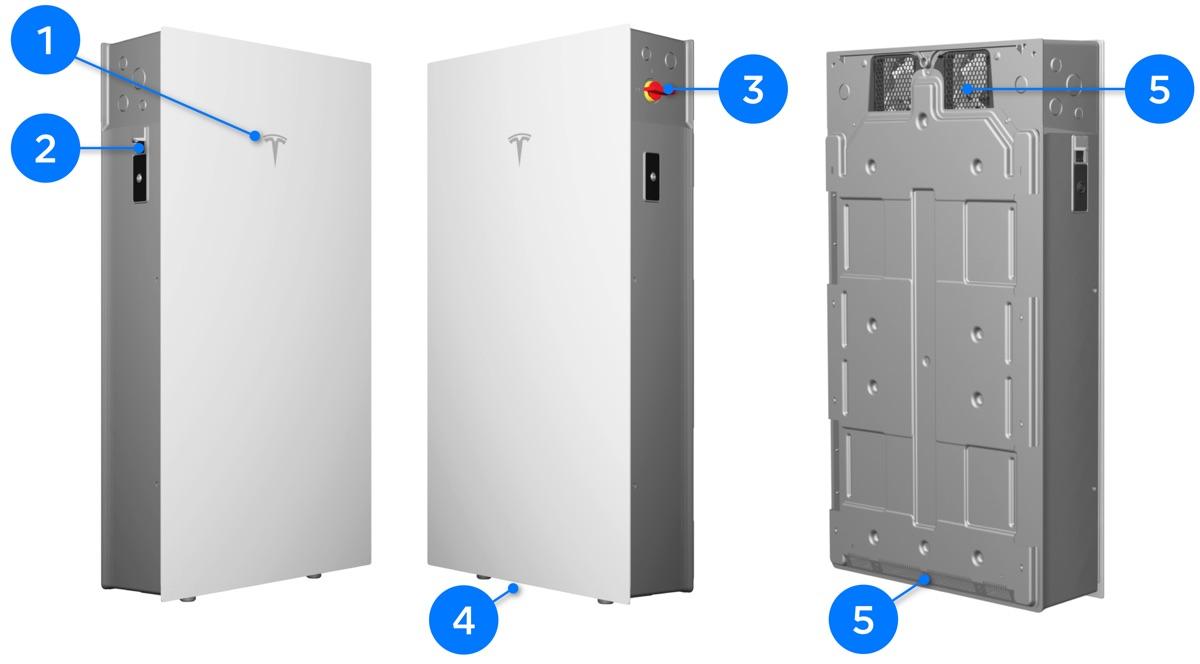
The Tesla Powerwall 3’s 13.5 kWh capacity sounds impressive… but what does that actually mean for your home? Let’s crunch the numbers.
The 3 Key Factors That Dictate Runtime
- Your Energy Consumption:
- Solar Panel Pairing:
- System Configuration:
Real-World Scenarios
Let’s break it down with real appliance data:
| Appliance | Wattage | Hourly Drain | Runtime on 1 Powerwall 3 |
|---|---|---|---|
| Refrigerator | 150W | 0.15 kWh | ~90 hours |
| LED Lights (10 bulbs) | 100W | 0.10 kWh | ~135 hours |
| Central AC | 3,500W | 3.5 kWh | ~3.8 hours |
| Electric Stove | 3,000W | 3.0 kWh | ~4.5 hours |
| Tesla EV Charging | 7,200W | 7.2 kWh | ~1.8 hours |
Scenario 1: Essential Loads Only (fridge + lights + Wi-Fi)
- Total hourly drain: ~0.3 kWh
- Runtime: ~45 hours
Scenario 2: Comfort During Outages (AC + fridge + lights)
- Total hourly drain: ~3.75 kWh
- Runtime: ~3.6 hours
Scenario 3: Solar-Powered Resilience (Pair with 6 kW solar array)
- Runtime: Indefinite (recharges 20-30 kWh daily in sun).
Pro Tips to Stretch Your Powerwall 3’s Runtime
- Load Shedding: Use Tesla’s app to disable non-essentials (e.g., pool pumps, EV charging).
- Time-Based Control: Schedule heavy loads for daylight hours when solar replenishes the battery.
- Go Hybrid: Pair with a small generator for multi-day outages in cloudy regions.
Why Competitors’ “Average Home” Claims Are Misleading
Most solar companies parrot Tesla’s generic “12-24 hours” estimate. But here’s the truth:
- A 3,000 sq.ft. home with AC and electric heating could drain the Powerwall 3 in under 4 hours.
- A frugal 1,200 sq.ft. home might stretch it to 20+ hours.
The Fix?
- Custom energy audits (like IntegrateSun’s free assessments) map your exact usage patterns.
- Smart panel integration (e.g., Span.io) lets you prioritize circuits in real-time during outages.
How IntegrateSun Optimizes Powerwall 3 for Your Home
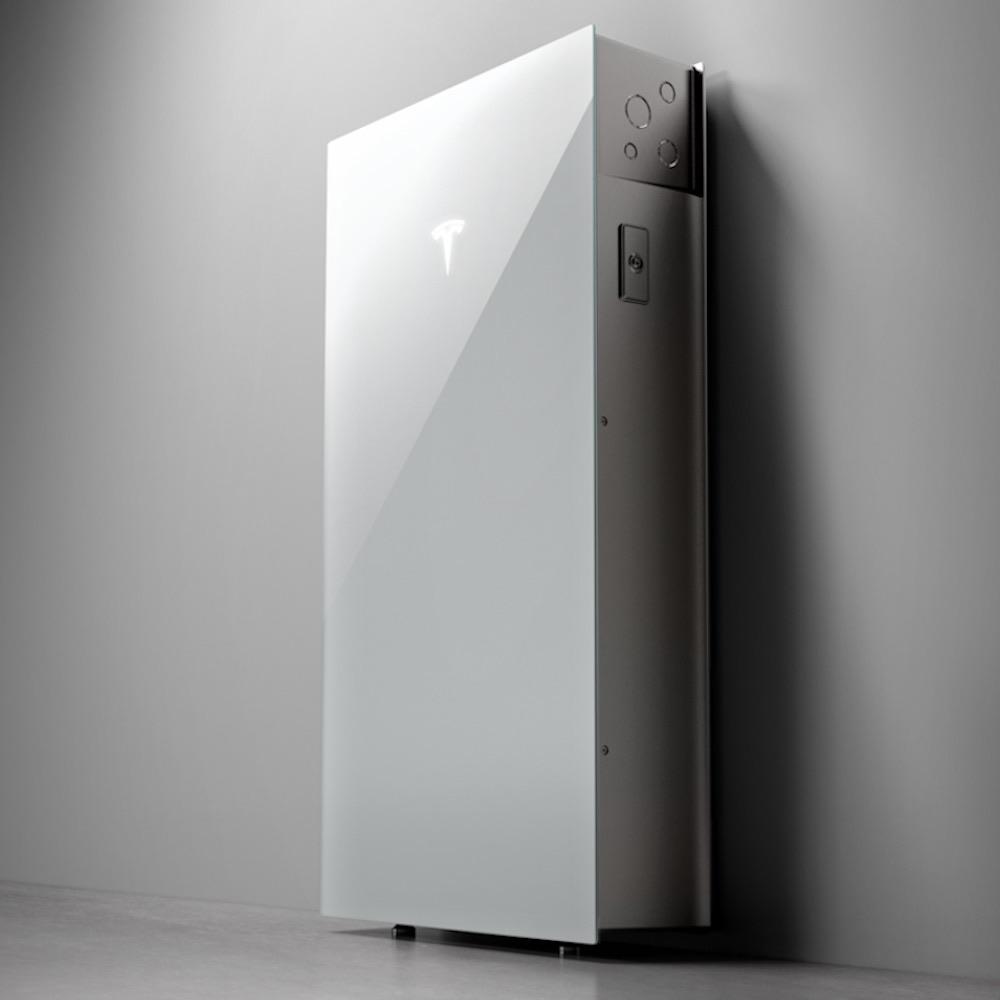
The Powerwall 3 is powerful, but even the best hardware underperforms without expert design. Here’s how IntegrateSun unlocks its full potential:
1. Precision Pairing with Solar
We don’t just slap panels on your roof. Our team calculates your home’s peak solar yield to ensure seamless Powerwall 3 recharging—even on cloudy days. No more guessing if your system can outlast a 3-day outage.
2. Load Management Mastery
Why drain your battery on a water heater at 2 AM? Our custom setups integrate smart home tech (like the Span Smart Panel) to automatically prioritize essentials during outages. Think of it as a “survival mode” for your energy budget.
3. Future-Proof Flexibility
Adding an EV or heat pump later? We design systems with 20% extra capacity upfront, so upgrades won’t require a full overhaul.
The Result?
- 20-30% longer runtime vs. standard installations.
- Incentive maximization (we handle the tax credit paperwork!).
- Peace of mind that your system evolves with your life.
Cost vs. Value – Why Powerwall 3 Pays for Itself
Let’s talk numbers—because a blackout isn’t just inconvenient; it’s expensive.
The Upfront Cost
- Powerwall 3 + Installation: ~$11,500 (pre-incentives).
- Federal Tax Credit (30%): Drops your net cost to $8,050.
- State Rebates: Save up to $1,000 extra (e.g., CA’s SGIP program).
The Hidden Savings
- Outage Costs: The average U.S. homeowner loses 500–1,000/day during grid failures (food spoilage, hotel stays, damaged electronics).
- Time-of-Use Savings: Use stored solar power during peak rates (e.g., 0.40/kWh in CA vs. 0.25 off-peak), saving ~$300/year.
- Generator Comparison: A 10K propane generator costs $500/year in fuel—Powerwall 3? $0.
The Long Game
- Warranty: 10-year coverage, guaranteed to retain 70% capacity.
- ROI: Pays for itself in 7–10 years (sooner with frequent outages).
IntegrateSun’s Value-Add:
Free Energy Audit: Pinpoint your savings potential.
Incentive Maximization: We navigate rebate paperwork so you don’t leave money on the table.
FAQs: Answering Your Top Powerwall 3 Questions
- Can Powerwall 3 power my AC unit during an outage?(Yes, but runtime depends on size/efficiency. We’ll design a system to meet your needs.)
- How does cold weather affect performance?(Built-in thermal management ensures reliability, but we optimize placement for extreme climates.)
- What happens if the outage lasts longer than the battery’s runtime?(Pair with solar for indefinite backup; we’ll ensure your array is outage-ready.)
- Why choose IntegrateSun over Tesla-certified installers?(We’re local experts with tailored service, post-install support, and no hidden fees.)