
Room for what’s next. Electrical panel upgrades for solar, batteries and EV chargers, from Houston-based IntegrateSun.
An older panel doesn’t automatically mean you need a new one. We look at what’s actually there: breaker space, capacity, inverter output, the panel’s condition and the connection methods your utility and city allow. If an upgrade is the right answer, you’ll know exactly why.
- TECL 35074Texas electrical contractor license
- Checked, not assumedyour panel is assessed in the design, not judged by your home’s age
- Second opinionson quotes that already include a panel or service upgrade
Can your panel take solar?
On a standard load-side connection, one code rule weighs two ratings on your panel against the size of the system. Under the National Electrical Code’s common 120% rule, the main breaker plus 125% of the inverter’s output current can’t exceed 120% of the busbar rating. A 200 A panel with a 200 A main allows a 40 A solar breaker, enough for about 7.6 kW of inverter output. Check yours.
Busbar × 1.2, minus the main breaker
The room left for solar, as a breaker size.
Solar breaker ÷ 1.25
The inverter output current it can carry, since inverters run continuously.
Amps × 240 V
That current as inverter output, in watts.
| Panel | Solar breaker | Inverter output |
|---|---|---|
| 100 A | 20 A | ~3.8 kW |
| 125 A | 25 A | ~4.8 kW |
| 150 A | 30 A | ~5.7 kW |
| 200 A | 40 A | ~7.6 kW |
| 225 A | 45 A | ~8.6 kW |
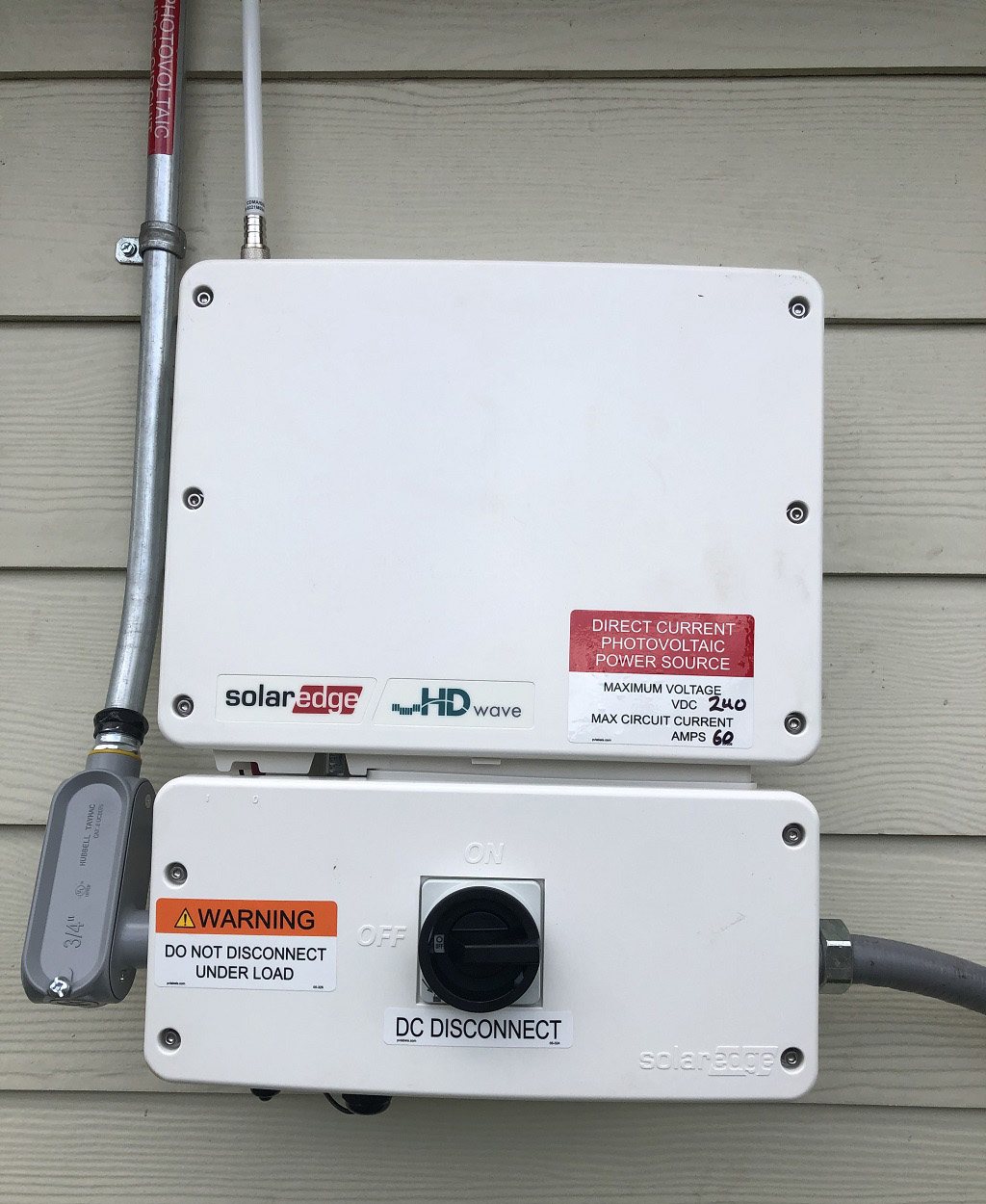
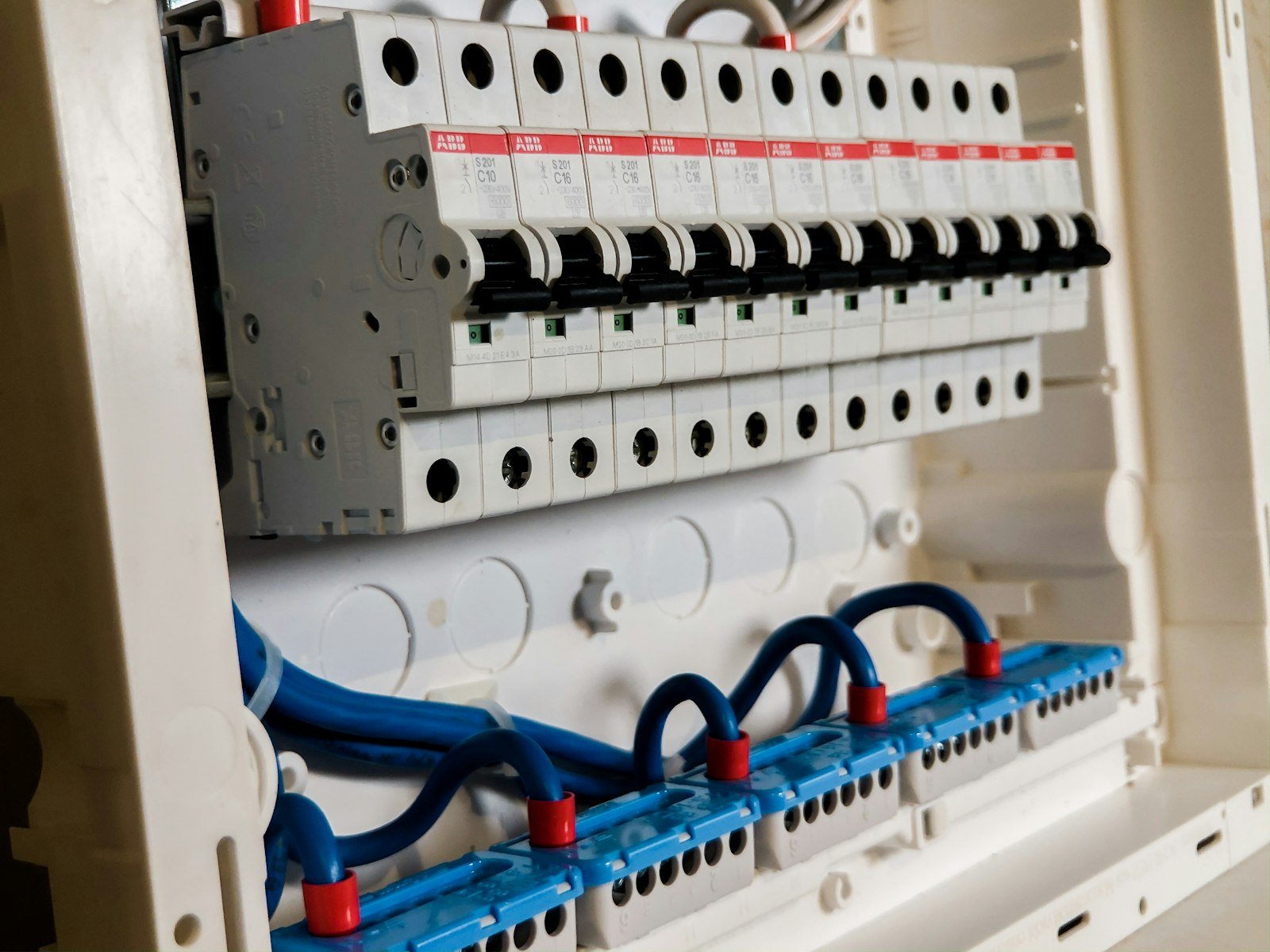
On the panel’s label, often inside the door or on the box wall
Printed on the main breaker’s handle
- Largest solar breaker
- 40A
- Inverter output, up to
- ~7.6kW
Derate the main breaker to 175 A and the limit rises to a 60 A solar breaker, about 11.5 kW, if your home can run on the smaller main.
Planning a bigger system, or a battery on the same connection? That doesn’t automatically mean a new panel. See the options before an upgrade
An estimate under the National Electrical Code’s 120% rule for a load-side connection, with the solar breaker at the opposite end of the busbar from the main and a 240 V home. It checks one rule only: breaker space, the panel’s condition and your utility’s and city’s requirements also count. Our team confirms it on site.
Falls short? It’s not always a new panel.
If the usual connection doesn’t fit, there can be other ways in, when your equipment, the design, your utility and local rules allow them. Sometimes they work. Sometimes they don’t, and the project needs the upgrade.
An alternative design can solve a design problem. It can’t make unsuitable equipment suitable.
Main-breaker derating
A lower-rated main breaker can leave more of the busbar for solar, keeping the combined design within the panel’s limits.
The catch: The smaller main still has to carry your home. If the house needs more than it allows, derating doesn’t help.
Line-side or supply-side connection
The solar connects on the supply side instead of through a breaker in the panel. The U.S. Department of Energy documents it as an option installers can evaluate.
The catch: It depends on your equipment and on what your utility and permitting authority accept, so it isn’t available on every project.
A power control system
A PCS enforces a set current limit instead of assuming every source runs at full output at once. Tesla’s Powerwall 3 documentation shows systems set to reduced outputs such as 5.8 kW or 7.6 kW to fit existing circuits.
The catch: Only qualified installers configure it, and it helps when the problem is capacity, not a panel in poor condition.
A smaller solar system
Less inverter output means less current for the panel to take.
The catch: Less output also means less production and a smaller cut to your bill, and it doesn’t repair a panel in poor condition.
When the upgrade is the right answer
If the panel is deteriorated, unsuitable for the installation or can’t meet current requirements, stop trying to avoid it. Ask instead whether the work is necessary, whether the quote covers the complete scope, and whether the new panel also makes room for what you plan to add next: a battery, an EV charger, a heat pump.
Panel upgrade or service upgrade?
They’re not the same job. A panel upgrade changes the panel equipment in your home. A service upgrade changes how much electricity can reach the property, and may need work on the utility’s side too. Two quotes can differ in price because they’re pricing different work.
- Utility supply
- Meter
- Electrical panel
- Your circuits
Service upgrade
Panel upgrade
Main panel upgrade
Replaces or changes the panel equipment serving your home. On its own, it doesn’t change the supply coming in.
Service upgrade
Raises the capacity supplying the property. Depending on the project, that can mean utility coordination, new service conductors, meter equipment, disconnects or trenching, and it often includes new service equipment at the panel too. A project can need one upgrade without automatically needing the other.
Swapping a 100 A panel for a 200 A one doesn’t turn a 100 A service into 200 A service.
If your quote has a significant electrical charge, ask exactly what will change, and make sure the quote says so.
Six questions to ask your installer.
Two quotes use your existing panel and a third adds an upgrade? Ask why. You don’t need to learn electrical engineering. You need an installer who can explain the proposal.
What specific problem makes my existing panel unsuitable?
Ask for the actual constraint: breaker space, allowable capacity, the panel’s condition, service capacity, inverter output or a utility requirement. “It’s an old panel” and “it’s only 100 amps” aren’t complete explanations.
Is the problem the solar connection or the panel itself?
If it’s how the system connects, another approved design may sometimes solve it. If it’s the panel’s condition, changing the connection leaves the problem where it was.
Did you evaluate another permitted design?
They may have looked at derating the main, another connection method, current limiting, a different inverter setup or a smaller system. None may work, and the answer can still be “this project needs the upgrade.” The point is knowing why.
Is this a main panel upgrade or a service upgrade?
If utility coordination, service conductors, meter equipment, disconnects or trenching are included, the quote should say so.
Does the price include the complete electrical scope?
Panel work, disconnects, meter or service equipment, permits, inspections, utility coordination, materials, labor and restoration. Work left out now can come back as a change order.
What evidence supports the decision?
Panel photos, equipment labels, the site survey, load calculations, design drawings, a single-line diagram, utility requirements. You don’t have to approve the engineering, just see that it was done for your home.
Already have a quote with a panel or service upgrade? We’ll take a second look at the solar and electrical scope.
Get a free quoteDo I need a panel upgrade for solar?
Sometimes. It depends on your existing panel, the proposed system and its inverter output, how the system connects, your utility’s and city’s requirements, and sometimes the panel’s condition. The amp rating printed on the panel isn’t enough on its own to decide.
See solar panel installationCan you install solar on a 100-amp panel?
Sometimes. A 100 A rating by itself doesn’t decide it. The installer still has to evaluate the proposed system, the panel equipment, the service capacity, the connection method and local requirements.
Does an older panel mean I need an upgrade?
Not automatically. Age is a reason to look closer at the panel’s condition, type, capacity and compatibility with current requirements, but the year your house was built isn’t an electrical diagnosis. If the panel itself is deteriorated or unsuitable, though, changing the solar design won’t fix it.
Does adding a home battery require a panel upgrade?
Not automatically. The battery, its inverter output, the backup setup, your existing electrical equipment and the chosen design all matter. Some setups need more electrical work; others don’t.
See home batteriesDo I need a panel upgrade for an EV charger?
Sometimes. A Level 2 charger needs its own 240-volt circuit, commonly rated 40 to 60 amps, so a panel at or near capacity may not have room for it. Lights that flicker when big appliances start, breakers that trip often, or a Zinsco or Federal Pacific panel are signs to have it checked before you add a charger.
See EV chargersWhat’s the difference between a panel upgrade and a service upgrade?
A panel upgrade changes the panel equipment in your home. A service upgrade changes the electrical capacity supplying the property and may involve work on the utility’s side. A project can need one without automatically needing the other.
Can a power control system avoid a panel upgrade?
Sometimes. A power control system (PCS) can solve certain capacity limits in qualifying designs by capping current, as Tesla documents for Powerwall 3. It can’t fix a panel that is physically unsuitable or remove every project requirement.
Ready to make your own power?
Get a free quote built around your roof and your last year of bills, or call and talk it through with our team.