
Inside city limits, outside NEM 3.0. Solar panel installation in Los Angeles, from our installation team based here.
- Los Angelesbase of one of our California installation teams
- CSLB 1165009California electrical contractor license (C-10), held by IntegrateSun LLCCheck it with the CSLB (opens in a new tab)
- 5,000+installations since 2017
How does going solar work in Los Angeles?
Two city departments sign off, and we deal with both. Building and Safety (LADBS) permits the system, online and instantly for most homes, and inspects it. Then LADWP inspects it again, installs a net meter and switches it on.
- Permit, HOA and utility. About 4 to 6 weeks.
- Installation. Usually 1 to 2 days, by our crew.
- Inspection and switch-on. About 2 to 3 weeks, then the utility gives permission to operate.
Who signs off in Los Angeles
- Permit
- The city’s Department of Building and Safety (LADBS) issues an electrical permit for every system. On one- and two-family homes, rooftop systems up to 38.4 kW, batteries included, get approved plans and a permit online instantly, with no plan review. Anything else goes through plan check.
- Racking
- A separate building permit covers the racking, unless the array qualifies for one of LADBS’s exemptions, which require, among other things, one layer of roofing, no more than 4 pounds per square foot, and no more than half the roof covered.
- Fire safety
- Panels have to leave the Fire Department’s roof access paths clear, which the LADBS inspector checks. Where Class A roofing is required, as in Very High Fire Hazard Severity Zones, the panels and racking need a Class A fire rating too.
- Historic homes
- You sign LADBS’s advisory notice for solar on a historic building before the permit is issued. No City Planning clearance is needed.
- Utility hookup
- LADWP. Once LADBS finals the permit, LADWP inspects the system and installs a net meter, and until then the system stays switched off. Systems under 10 kW AC with no service upgrade or battery can be fast-tracked; a battery adds an LADWP engineer’s review.
- Exports
- Net metered by LADWP and credited at your rate plan’s energy price, not NEM 3.0’s hourly export rates. The rules are below.
HOA rules: California’s Solar Rights Act
An HOA can’t ban solar panels. Civil Code §714 voids rules that effectively prohibit them and allows only reasonable restrictions: none that add more than $1,000 to the system’s cost or cut its efficiency by more than 10%. If the HOA doesn’t deny your application in writing within 45 days, it’s approved, unless it asked you for more information.
City of Los Angeles Department of Building and Safety: Information Bulletin P/GI 2023-027 (solar plan check and permits) and its October 2023 ePermit-Solar announcement. LADWP’s Net Energy Metering Guidelines and net metering rider. California Civil Code section 714. Checked November 2026.
What does solar cost in Los Angeles?
Find your monthly kWh on your electricity bill and read across: that’s the system a Los Angeles roof needs to cover 90 to 100% of your use, and its price before incentives. At the California average of 503 kWh a month, that’s about 3.4 kW, roughly $7,100 to $8,500.
Incentives: California has no state solar tax credit, the 30% federal credit for homeowners ended with 2025, and LADWP has discontinued its solar rebate. Systems finished before January 1, 2027 stay off your property tax assessment until the home changes hands. Income-qualified LADWP customers may qualify for SGIP’s solar and battery incentive, with limited funding and a waitlist.
California incentives in fullBy monthly use
503 kWhCalifornia average
System3.4 kW
Panels8
Before incentives$7,100 to $8,500
1,500 kWh
System10.1 kW
Panels24
Before incentives$21,100 to $25,400
2,000 kWh
System13.5 kW
Panels31
Before incentives$28,100 to $33,900
2,500 kWh
System16.9 kW
Panels39
Before incentives$35,100 to $42,400
Work it out for your own bill
Add up the kWh on your last 12 bills, or multiply one month by 12.
- System in Los Angeles
- 3.4 kW8 panels
- At one IntegrateSun project’s price ($2.08/W)
- $7,100
- At Los Angeles’s average ($2.51/W)
- $8,500
- Before any incentives
- $7,100 to $8,500
Sizing: Los Angeles’s 6.08 peak sun hours a day (PVWatts) and 440-watt panels, to cover 90 to 100% of a year’s use. Prices before incentives: one IntegrateSun project (16.72 kW, cash price) and EnergySage’s Los Angeles average as of November 2026. California average use: U.S. Energy Information Administration, 2024. An estimate, not a quote: your roof and equipment set the real price.
What does LADWP pay for solar you send back?
Your rate plan’s energy price, as a bill credit. LADWP sets its own solar rules, so the state’s NEM 3.0 export rates don’t apply in the city: what your panels send back is netted against what you buy, and any extra is credited and carried to your next bills.
We look at your LADWP rate plan and your last year of use when we design your system.
Read LADWP’s net metering rider (LADWP’s site, opens in a new tab)Outside the city? Many neighboring cities are on SCE, where NEM 3.0’s hourly export credits apply instead. How SCE credits solar.
LADWP’s net metering, rule by rule
- Netting
- Each billing period, LADWP nets the power your panels send back against the power you buy, and you pay for the difference.
- Credit per kWh
- When you send back more than you use, LADWP credits the extra using your rate plan’s energy pricing. On the standard plan, a kWh you buy costs 24¢ to 41¢ in 2026, depending on tier and season.
- Carryover
- Credit rolls forward to each later bill until it’s used up. It can’t pay taxes or the minimum charge, which is $10 a month plus adjustments on the standard plan.
- Closing your account
- Any credit left when you close your LADWP account is zeroed, with no payout.
- Time of use
- LADWP suggests its time-of-use plan for solar homes that keep banking credits. Its high peak runs 1 to 5 PM on weekdays, while your panels are producing, at 35¢ a kWh from July to September in 2026.
How the rules shape the design
Sized to your year’s use
Each kWh you send back is netted against power you buy or credited to a later bill, so panels that cover close to your whole year’s use make sense.
Sized past it
The surplus piles up as credit that can’t pay taxes or the minimum charge and is zeroed when you close the account, so extra panels add little.
LADWP’s Service Rider NEM (Net Energy Metering), its 2026 residential rates and time-of-use hours, and its Net Energy Metering Guidelines, checked November 2026. LADWP adjusts part of each rate every quarter.
How much do solar panels cost in Los Angeles?
For a home using the California average of 503 kWh a month, a 3.4 kW system costs about $7,100 to $8,500 before incentives, sized for Los Angeles’s 6.08 peak sun hours a day. At 1,500 kWh a month, it’s about 10.1 kW and $21,100 to $25,400. Each range runs from one IntegrateSun project’s price to Los Angeles’s average, and a battery adds to it.
See prices by monthly useDo I need a permit for solar panels in Los Angeles?
Yes. The city’s Department of Building and Safety (LADBS) issues an electrical permit for every system, and most rooftop systems on one- and two-family homes, up to 38.4 kW with batteries, get theirs online instantly, with no plan review. The racking may need a building permit too. We file both, and LADBS inspects the work before LADWP connects it.
Who signs off in Los AngelesHow long does it take to go solar in Los Angeles?
Plan on about two months from signing. The LADBS permit, any HOA approval and LADWP’s interconnection request come first, in about 4 to 6 weeks, and our crew installs the system in 1 to 2 days. LADBS’s inspection, LADWP’s solar inspection and its net meter follow within about 2 to 3 weeks, and the system stays off until that meter is in.
How does LADWP credit the solar I send back?
As a bill credit at your rate plan’s energy price. Each billing period LADWP nets what your panels send back against what you buy; when you send back more, the extra is credited and carried to your next bills. The credit can’t pay taxes or the $10 minimum charge, and any left when you close your account is zeroed.
LADWP’s rules, row by rowDoes LADWP offer a solar rebate?
Not for most homes: LADWP has discontinued its Solar Incentive Program. Income-qualified LADWP customers may qualify for SGIP’s solar and battery incentive, which LADWP runs for its own customers, but funding is limited and there’s a waitlist, so an award isn’t guaranteed. We check what you qualify for when we design your system.
California incentives in fullWill solar panels keep my power on in a Los Angeles outage?
Only with a battery. Panels tied to the grid shut down in an outage so they can’t send power onto lines that crews are repairing. A battery keeps the circuits you pick running and refills from the panels each sunny day: one Powerwall 3 covers the fridge, lights, Wi-Fi, chargers and a few outlets for about 27 hours. In the January 2025 windstorm, 155,092 LADWP customers were without power at 1 PM on January 8, 2025, and LADWP had restored the last of them outside the fire areas by January 13.
How long a battery lastsDoes LADWP shut off power during wildfire weather?
Not under a set program. LADWP’s wildfire plan for 2027 and 2028 says it hasn’t adopted a protocol to shut off power ahead of fire weather and is still studying one. During the January 2025 fires it shut off lines in fire threat areas at fire authorities’ request. SCE, which serves many neighboring cities, does run Public Safety Power Shutoffs.
Does IntegrateSun have a team in Los Angeles?
Yes. Our installation team is based in Los Angeles, and with our teams in San Jose and Sacramento it covers all of California. Our headquarters is in Houston. Call (855) 999-1850 for a free quote.
Where we install in California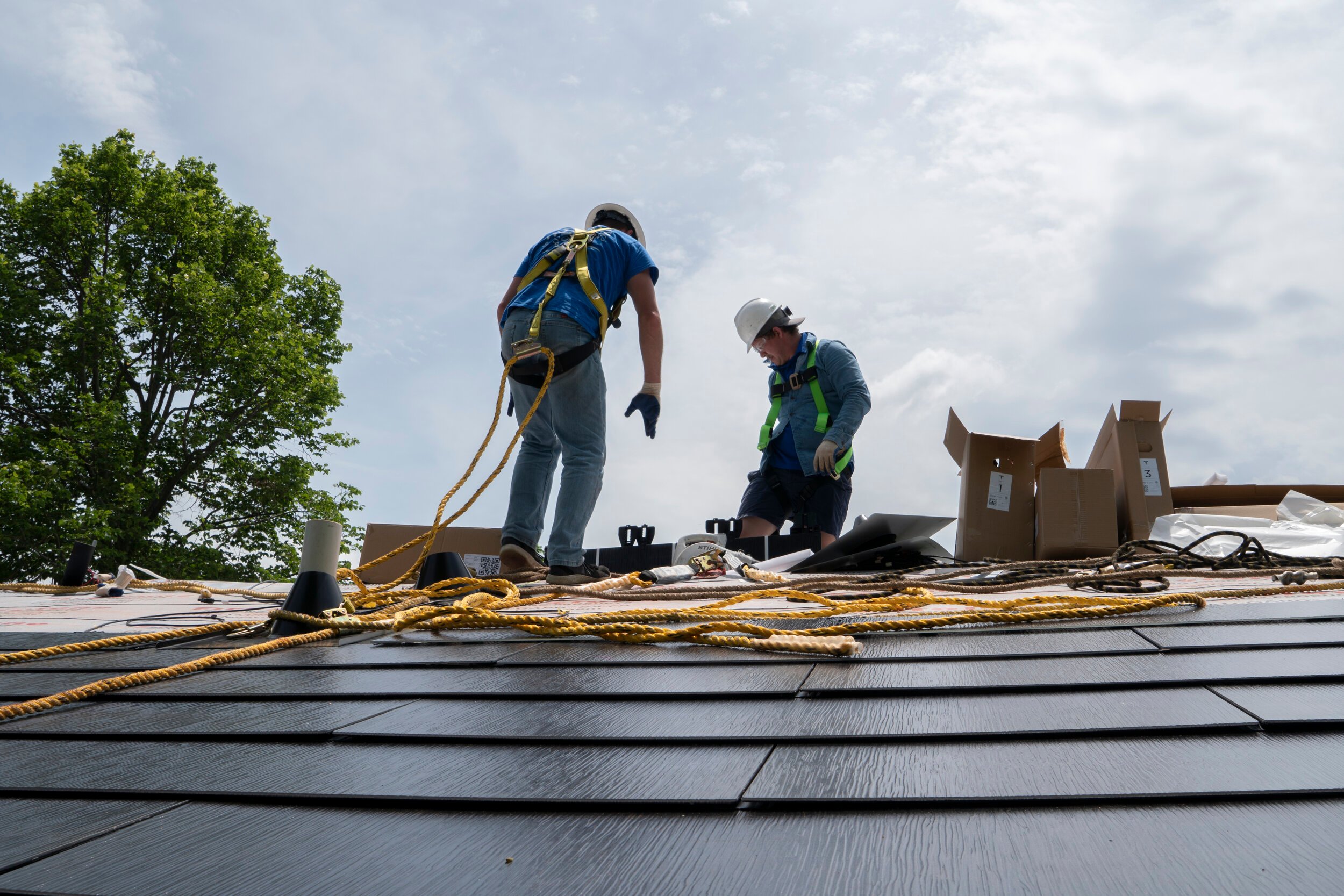
Ready to make your own power?
Get a free quote built around your roof and your last year of bills, or call and talk it through with our team.