
Thinking About Solar but Your Roof Is Old? Read This Before You Do Either.


There's a mistake we see homeowners make over and over, and it's an expensive one.
They get excited about solar. They get a quote. The numbers look good. They move forward. And nobody in the process stops to ask the one question that should have come first: how old is the roof those panels are about to sit on?
Two or three years later, that roof needs replacing. And now they're facing a bill nobody warned them about — because before the roofers can do their job, every single solar panel has to come off, get stored, and then get reinstalled after the new roof goes on. That's thousands of dollars in labor for work that produces zero new energy and zero new value. It's pure waste, and it was completely avoidable.
So before you go solar — or replace your roof — let's talk about how to sequence these two projects, so you only pay once.
Why This Matters More Than Most Installers Admit
Here's an uncomfortable truth about parts of the solar industry: plenty of installers won't bring up your roof's age unless you force the issue.
Why? Because raising it complicates the sale. It introduces cost, delay, and a reason for you to pause. From a pure sales perspective, it's easier to quote the panels, get the signature, and let "future you" deal with the roof problem down the road.
That's not how we think solar should be sold. A solar system is a 25-year decision. The roof underneath it needs to last at least that long, ideally longer. If it won't, dealing with that before the panels go up isn't an upsell — it's basic honesty.
A quality asphalt shingle roof typically lasts 20 to 30 years. Solar panels are warrantied for 25 years and often produce well beyond that. The math is simple: if your roof has fewer than 10 to 15 years of reliable life left, you should seriously consider replacing it before — or at the same time as — your solar installation.
How to Tell If Your Roof Needs to Go First

You don't need to be a roofing expert to make a reasonable assessment. A few honest questions get you most of the way there.
How old is it? If you know the roof was installed within the last 10 years and it's a quality material, you're likely fine to proceed with solar. If it's pushing 15 years or older, or you don't know its age at all, that's a flag worth investigating.
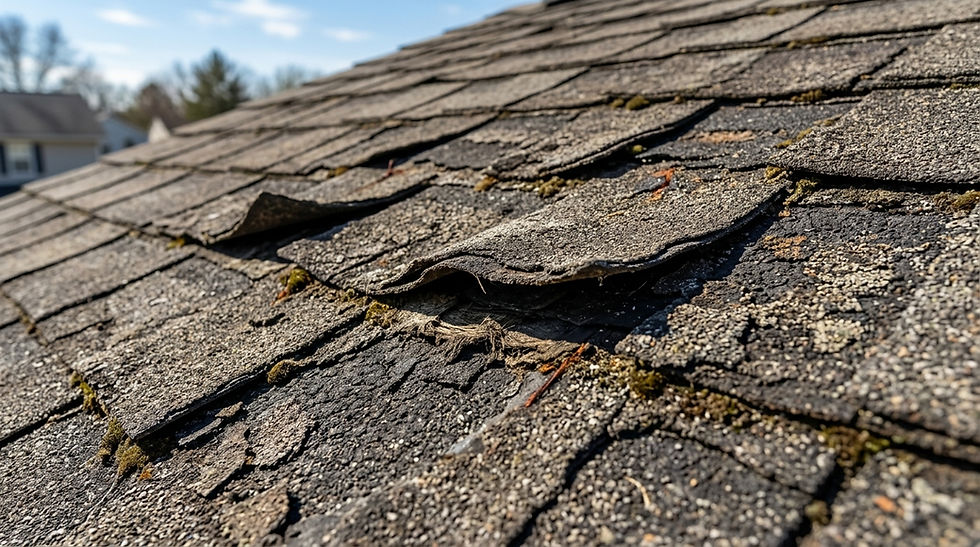
What condition is it in? Curling or missing shingles, granules collecting in your gutters, visible sagging, water stains in the attic or on upper-floor ceilings — these are signs a roof is nearing the end of its life, regardless of its exact age.
What material is it? Asphalt shingles have a defined lifespan and are the most common case where timing matters. Metal, tile, and slate roofs last much longer and rarely force the issue.
If you're unsure after asking these questions, the right move is to have a roofer inspect it before you finalize any solar plans. Which brings us to the part that actually saves you money.
The Smart Move: Do Both at Once

Here's the reframe most homeowners miss. Replacing your roof and installing solar aren't necessarily two separate projects to be spaced years apart. When the timing lines up, doing them together is almost always the smarter financial decision.
When you replace the roof first — or coordinate both at the same time — you avoid the single biggest hidden cost in this whole equation: the removal and reinstallation of panels later. That "remove and reinstall" expense, often called R&R in the industry, can run anywhere from $2,000 to $6,000 or more depending on system size, and it buys you absolutely nothing. It's money spent purely to undo and redo work that was already done.
There's a second advantage to coordinating the two. A roofer who knows solar is coming can prepare the roof for it — ensuring the structure, layout, and flashing are optimized for a solar installation rather than working around an existing array. The result is usually a cleaner install and a longer-lasting, better-sealed roof.
The sequence that works best for most homeowners:
First, get the roof assessed honestly. If it has plenty of life left, proceed straight to solar. If it doesn't, replace it first — and only then install the panels onto a roof that will comfortably outlast the system.
It feels like more upfront. But compared to installing on a failing roof and paying to tear the system down a few years later, it's the option that costs less over the life of your system.
What We Do — and What We Don't

Let's be straight about our role in this.
IntegrateSun installs solar. We don't do roofing. So we're not here to sell you a roof, and we have no incentive to tell you that you need one when you don't. If your roof is in good shape, we'll tell you to go straight to solar and skip the extra expense entirely.
But if your roof genuinely needs attention first, we'll tell you that too — even though it means a delay before we can install your system. And because we work in this space every day across 12 states, we can point you toward reputable roofing companies in your area who understand solar and can prepare your roof properly for it.
That's the honest version of how this should work: roof first if it's needed, solar onto something built to last, and no surprise bills two years down the line.
The Bottom Line
Solar is a long-term investment, and it's only as sound as the roof it sits on. The most expensive mistake you can make isn't choosing the wrong panel or the wrong inverter — it's installing a great system onto a roof that's about to fail.
Before you commit to either project, get an honest assessment of where your roof actually stands. If it's solid, move forward with confidence. If it's not, handle that first and save yourself thousands in avoidable rework.
A free solar consultation with IntegrateSun is a good place to start that conversation. We'll evaluate your home, give you a straight answer on whether your roof is ready for solar, and connect you with a trusted roofer if it isn't.


